

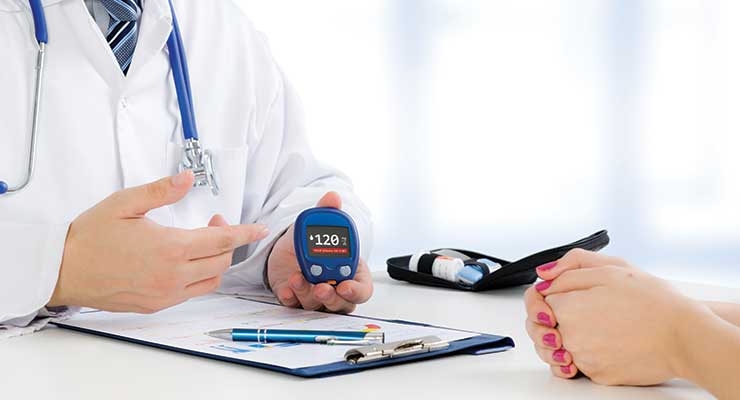
Diabetes treatment explained simply with modern options, lifestyle tips, and real management strategies for long-term control.
Diabetes treatment focuses on controlling blood sugar levels while protecting long-term health through medication, lifestyle changes, and daily habits. The right approach depends on diabetes type, age, health history, and how your body responds over time.
Have you ever wondered why two people with diabetes can need completely different care plans?
That’s because diabetes is not one-size-fits-all. Some people manage it with food changes alone.
Others need medications or insulin. The goal stays the same-steady blood sugar and a better quality of life.
Modern diabetes care has come a long way. Today’s options are more flexible, personalized, and easier to manage.
With the right plan, people live long, active lives with diabetes. Understanding your options is the first big step forward.
Diabetes treatment has evolved beyond pills and injections, focusing on long-term health and daily balance.
Diabetes management now combines medication, nutrition, movement, and monitoring into one clear plan.
Diabetes Treatment Explained Simply 🩺
Diabetes treatment means keeping blood sugar in a healthy range. This helps prevent serious problems over time.
Treatment plans are built around daily routines, not just prescriptions.
Consistency matters more than perfection.
Doctors focus on three main goals. Lower high blood sugar. Prevent sudden drops. Protect the heart, kidneys, eyes, and nerves.
Most treatment plans include a mix of tools. Some work fast. Others work slowly but steadily. Together, they create balance.
Understanding Different Types Of Diabetes 🔍
Not all diabetes is the same. Each type needs a different approach. Knowing your type shapes your treatment plan. It also helps avoid unnecessary medications.
The main types include:
- Type 1 diabetes
- Type 2 diabetes
- Gestational diabetes
- Prediabetes
Type 1 requires insulin from day one. Type 2 often starts with lifestyle changes. Gestational diabetes usually resolves after pregnancy. Prediabetes focuses on prevention.
Primary Goals Of Diabetes Care 🎯
Every diabetes plan works toward clear goals. The first goal is stable blood sugar. The second is avoiding complications. The third is feeling good daily.
Doctors track progress using simple markers. Blood glucose readings show daily control. A1C tests show long-term trends. Both guide treatment decisions.
Other important goals include:
- Healthy blood pressure
- Balanced cholesterol
- Steady energy levels
These targets protect your whole body.
Lifestyle Changes That Support Treatment 🌱
Lifestyle changes are powerful. They often reduce medication needs. Small steps create big results over time. Consistency beats intensity.
Key lifestyle habits include:
- Eating balanced meals
- Moving your body daily
- Sleeping well
- Managing stress
Even light activity helps insulin work better. Better sleep stabilizes hormones. Lower stress prevents sugar spikes. These habits support every treatment plan.
Diabetes Medications And How They Work 💊
Medications help control blood sugar when lifestyle changes aren’t enough.
Each type works differently. Some improve insulin use. Others reduce sugar release from the liver.
Common medication categories include:
|
Medication Type |
How It Helps |
Best For |
|---|---|---|
|
Metformin |
Improves insulin response |
Type 2 diabetes |
|
Sulfonylureas |
Boost insulin release |
Early diabetes |
|
SGLT2 inhibitors |
Remove sugar through urine |
Heart-friendly care |
|
DPP-4 inhibitors |
Improve hormone balance |
Mild control needs |
Doctors choose medications based on safety and goals. Side effects are always considered. Treatment can change as needs evolve.
Insulin Therapy Basics 💉
Insulin replaces what the body lacks. It’s essential for Type 1 diabetes. Some people with Type 2 also need it. Modern insulin is safer and easier to use.
There are different insulin types. Fast-acting insulin works around meals. Long-acting insulin works all day. Some people use both.
Delivery options include pens and pumps. Technology has reduced pain and guesswork. Dosing is personalized. Education makes insulin less intimidating.
Blood Sugar Monitoring Methods 📊
Monitoring shows how treatment is working. It guides daily decisions. It prevents dangerous highs and lows. Feedback builds confidence.
Monitoring options include:
|
Method |
Frequency |
Who It Helps |
|---|---|---|
|
Fingerstick testing |
Several times daily |
All diabetes types |
|
Continuous glucose monitor |
Real-time tracking |
Insulin users |
|
A1C test |
Every 3 months |
Long-term control |
Patterns matter more than single numbers. Trends reveal what foods and habits help. Monitoring empowers smarter choices.
Nutrition Planning For Better Control 🥗
Food plays a huge role in blood sugar control. You don’t need extreme diets. Balance is the key. Consistency matters most.
Helpful nutrition strategies include:
- Eating regular meals
- Choosing whole foods
- Limiting refined sugar
- Pairing carbs with protein
Fiber slows sugar absorption. Protein prevents spikes. Healthy fats add fullness. Meal planning reduces guesswork.
Exercise And Movement Benefits 🚶♂️
Movement helps insulin work better. It lowers blood sugar naturally. It also improves mood and sleep. Even short walks count.
You don’t need a gym. Simple activities work well. Walking, swimming, or cycling are great options. Strength training improves insulin sensitivity.
Aim for consistency. Thirty minutes most days helps. Break it into small sessions if needed. Movement should feel doable, not stressful.
Managing Stress And Sleep 😴
Stress raises blood sugar levels. Poor sleep does the same. Managing both improves treatment success. Mental health matters.
Helpful stress-reduction tools include:
- Deep breathing
- Gentle stretching
- Mindfulness practices
- Daily routines
Sleep helps hormones reset. Aim for seven to eight hours. Better rest improves insulin response. Small changes improve big outcomes.
Preventing Diabetes Complications 🛡️
Good treatment prevents damage. Uncontrolled sugar harms organs over time. Prevention is easier than repair. Early action makes a difference.
Regular checkups are essential. Eye exams catch vision problems early. Foot checks prevent infections. Kidney tests protect long-term health.
Healthy habits plus monitoring reduce risk. Medication adherence matters. Education builds awareness. Prevention keeps life normal.
Treatment Adjustments Over Time 🔄
Diabetes treatment is not static. Needs change with age and lifestyle. What works today may change later. Flexibility is normal.
Doctors adjust plans based on trends. A1C levels guide decisions. Weight changes matter. New medications may offer benefits.
Open communication helps. Report symptoms early. Adjustments prevent frustration. Treatment evolves with you.
Diabetes Care For Older Adults 👵
Older adults have unique needs. Safety comes first. Avoiding low blood sugar is critical. Simplicity matters.
Treatment plans may use fewer medications. Targets may be adjusted slightly. Nutrition focuses on energy and strength. Monitoring remains important.
Support systems help success. Caregivers play a role. Clear routines reduce confusion. Quality of life stays the priority.
Role Of Healthcare Teams 🤝
Diabetes care is a team effort. Doctors guide treatment. Dietitians help with food choices. Educators teach daily skills.
Pharmacists explain medications. Nurses provide support. Mental health professionals address stress. Together, they improve outcomes.
Asking questions matters. Understanding builds confidence. Support reduces overwhelm. You’re never managing diabetes alone.
Future Trends In Diabetes Treatment 🚀
Diabetes care continues to improve. Technology is leading change. Smarter insulin delivery is emerging. Personalized medicine is growing.
Artificial pancreas systems are advancing. New medications protect the heart. Digital tools simplify tracking. Innovation improves daily life. The future looks hopeful. Treatment is becoming easier. Control is becoming smarter. Quality of life keeps improving.
Key Takeaways For Long-Term Success ✅
Diabetes treatment works best with consistency. Small daily choices add up. Education empowers better decisions. Support makes the journey easier.
Focus on habits, not perfection. Track patterns, not single numbers. Adjust plans as needed. A balanced approach leads to success.
With the right tools and mindset, diabetes becomes manageable. Long-term health stays within reach. Confidence grows over time. Progress matters more than speed.
FAQs
What Is The Most Effective Diabetes Treatment Today?
The best treatment depends on the diabetes type and individual needs. Most plans combine lifestyle changes and medication. Personalized care works best long term.
Can Diabetes Be Managed Without Medication?
Some people manage early diabetes with lifestyle changes alone. Diet, exercise, and weight control play major roles. Medical guidance is still important.
How Often Should Blood Sugar Be Checked Daily?
This depends on treatment type. Insulin users may check multiple times daily. Others may check less frequently.
What Foods Help Control Blood Sugar Best?
High-fiber foods help slow sugar absorption. Protein and healthy fats prevent spikes. Whole foods work better than processed options.
Does Exercise Really Lower Blood Sugar Levels?
Yes, movement improves insulin sensitivity. Even light activity helps control glucose. Consistency delivers the best results.