

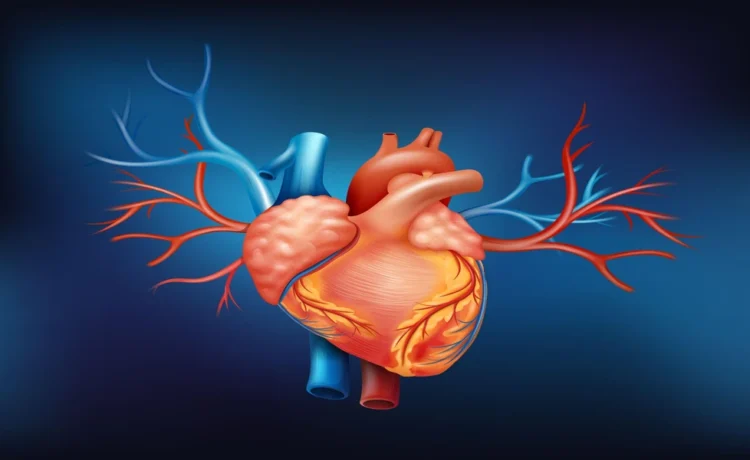

Heart failure develops when the heart cannot pump blood around the body as effectively as it should. It does not mean that the heart has stopped working. Instead, the heart may have become too weak or stiff to fill and pump normally.
There is no single answer to what causes heart failure? Several diseases can gradually damage the heart muscle or increase its workload. Heart failure can also develop after an event such as a heart attack. Common underlying causes include coronary artery disease, prolonged high blood pressure, cardiomyopathy, and heart valve disease.
Understanding how these conditions affect the heart can make it easier to see why early diagnosis and appropriate management matter.
1. Can Coronary Artery Disease Cause Heart Failure?
Coronary artery disease develops when fatty deposits build up inside the arteries that supply the heart muscle. As the arteries narrow, less oxygen-rich blood can reach the heart. A completely blocked artery may cause a heart attack, which can permanently damage part of the heart muscle.
Once the muscle becomes damaged, the heart may not contract with the same strength. The remaining healthy muscle then needs to compensate to maintain circulation. Over time, this reduced pumping ability can contribute to heart failure.
People who have coronary artery disease or who have experienced a heart attack may therefore require ongoing monitoring of their cardiovascular health.
2. How Does High Blood Pressure Lead to Heart Failure?
High blood pressure places additional resistance against the heart every time it pumps. When this continues for years, the heart must consistently work harder than normal. The muscle may initially become thicker to cope with the increased workload, but prolonged strain can eventually make it stiff or less efficient. The American Heart Association identifies high blood pressure as a condition that can lead to heart failure over time.
The progression can be understood simply:
| Ongoing Change | Possible Effect on the Heart |
| Blood pressure remains high | The heart pumps against greater resistance |
| Heart muscle works harder | Muscle walls may thicken |
| Long-term strain continues | The heart may become stiff or weaker |
| Pumping ability declines | Heart failure can develop |
Managing blood pressure can therefore play an important role in reducing long-term cardiovascular strain.
3. Can Cardiomyopathy Cause Heart Failure?
Cardiomyopathy describes a group of diseases that affect the heart muscle itself. Depending on the type, the muscle may become enlarged, abnormally thick, or stiff. These changes can interfere with the heart’s ability to pump blood or relax properly between beats.
Cardiomyopathy can have several causes. Some forms run in families, while others may relate to previous heart attacks, uncontrolled high blood pressure, infections, or other medical conditions.
As the condition progresses, a person may develop:
- Increasing breathlessness during activity
- Unusual tiredness or weakness
- Swelling around the legs or ankles
- Reduced ability to tolerate physical activity
These symptoms do not automatically mean that someone has heart failure, but persistent or worsening symptoms warrant medical assessment.
4. How Does Heart Valve Disease Cause Heart Failure?
The heart contains valves that control the direction of blood flow between its chambers. Heart valve disease occurs when one or more valves do not function correctly. A valve may become narrowed, which restricts blood flow, or fail to close properly, allowing blood to leak backwards.
Both problems can increase the heart’s workload. The heart may need to pump more forcefully to move enough blood forward, and prolonged strain can eventually weaken the muscle or enlarge the chambers.
The severity of valve disease varies. Doctors may monitor mild problems, while significant disease can require medication, valve repair, or valve replacement. Treating severe valve disease may help prevent deterioration that could otherwise lead to heart failure.
Frequently Asked Questions
What Is the Most Common Cause of Heart Failure?
Coronary artery disease is one of the most common underlying causes. Reduced blood flow can weaken the heart muscle, particularly when a person has suffered heart damage during a heart attack.
Can Someone Have More Than One Cause of Heart Failure?
Yes. Several conditions may occur together. For example, someone may have both high blood pressure and coronary artery disease, placing additional strain on the heart.
Does Heart Failure Always Develop Suddenly?
No. Heart failure can develop gradually after years of cardiovascular strain, although it can also occur more suddenly after problems such as a heart attack or infection.
What Symptoms Should Prompt Medical Attention?
Persistent breathlessness, unusual fatigue, swelling in the legs or ankles, or increasing difficulty breathing can occur with heart failure. Anyone experiencing new or worsening symptoms should seek medical assessment so a healthcare professional can identify the cause.
Contact the Singapore Heart Foundation to learn more about heart health, cardiovascular risk factors, and practical steps towards protecting your heart.