

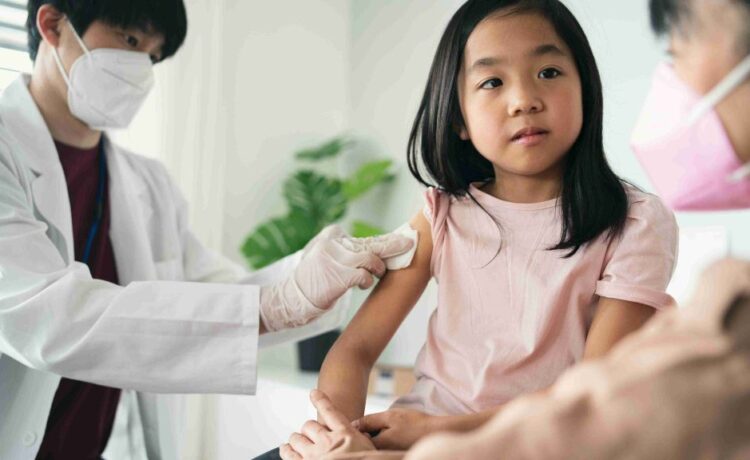

Vaccinations are one of the most effective ways to protect children from serious infectious diseases. Immunization programs around the world have significantly reduced the spread of illnesses such as measles, polio, and diphtheria. In Singapore, the National Childhood Immunisation Schedule (NCIS) provides a structured vaccination plan designed to protect children from an early age.
Following the recommended schedule ensures that children receive the right vaccines at the appropriate stages of development. Children’s NCIS vaccinations help build immunity during infancy and childhood, when young immune systems are still developing and may be more vulnerable to infections.
Parents who follow the children NCIS immunization schedule not only protect their own children but also contribute to community immunity. When vaccination coverage is high, it helps reduce the overall spread of infectious diseases in the population.
What the NCIS Covers
The National Childhood Immunisation Schedule includes a range of vaccines that protect against common and potentially life-threatening diseases. These vaccines are administered at different stages of a child’s growth, starting from infancy and continuing through early childhood. Some of the key vaccines included in the schedule protect against diseases such as:
- Hepatitis B
- Diphtheria, tetanus, and pertussis
- Haemophilus influenzae type b (Hib)
- Measles, mumps, and rubella
- Pneumococcal disease
- Polio
These vaccines are carefully timed to provide protection when children are most vulnerable. Children NCIS vaccinations are designed to ensure that immunity develops before a child is likely to be exposed to these diseases in the community.
Healthcare providers monitor each child’s vaccination record to make sure doses are administered on schedule. If any vaccines are missed, doctors can help create a catch-up plan to keep the child protected.
Why Vaccinations Matter Before Traveling
Travel can expose children to environments where infectious diseases may be more common. Some countries have higher rates of certain illnesses that are rare in Singapore due to strong vaccination programs.
Ensuring that children are fully vaccinated before traveling reduces the risk of infection during international trips. Children’s NCIS vaccinations provide protection against many diseases that travelers may encounter abroad, especially in regions where healthcare systems or vaccination rates may differ.
Parents planning overseas travel should review their child’s immunization records well in advance. If additional vaccines are required for a specific destination, healthcare providers can advise on the appropriate schedule and timing.
Certain vaccines may require multiple doses or need to be administered weeks before departure to allow sufficient time for immunity to develop.
Travel Health Considerations for Families
When traveling with children, health preparation goes beyond routine vaccinations. Parents should also consider general travel health precautions to keep their children safe during the trip.
Consulting a doctor before traveling is an important step. Healthcare providers can review Children NCIS vaccinations records and determine whether any additional travel vaccines or preventive medications are recommended.
Parents should also prepare a travel health kit that includes basic medications, fever reducers, antiseptics, and any prescribed medicines their child may need. Carrying vaccination documentation can also be helpful, particularly if certain destinations require proof of immunization.
Good hygiene practices are another essential preventive measure. Encouraging children to wash their hands regularly, drink safe water, and avoid unsafe food sources can reduce the risk of gastrointestinal infections and other travel-related illnesses.
Keeping Vaccination Records Updated
Maintaining accurate vaccination records is important for both healthcare and travel purposes. These records help doctors ensure that children receive all recommended vaccines at the correct intervals.
Parents should keep copies of their child’s immunization history and bring them to medical appointments. This information allows healthcare providers to confirm whether Children NCIS vaccinations are up to date and identify any missed doses.
Digital health records and national immunization registries have also made it easier for families to track vaccination schedules. These systems help ensure that children receive timely reminders for upcoming vaccines and booster shots.
Keeping records updated also simplifies school enrollment requirements, as many educational institutions require proof of vaccination as part of their admission process.
Supporting Lifelong Health Through Immunization
Vaccination during childhood forms the foundation for lifelong protection against infectious diseases. Early immunization helps train the immune system to recognize and respond effectively to harmful pathogens.
By following Children NCIS vaccinations, parents give their children a strong start in protecting their health. Vaccines not only prevent serious illnesses but also reduce the risk of complications that could affect a child’s long-term wellbeing.
In addition to protecting individual children, widespread vaccination strengthens public health by preventing outbreaks and protecting vulnerable populations who may not be able to receive certain vaccines.
Conclusion
Vaccinations remain one of the most reliable and effective tools for protecting children’s health. The National Childhood Immunisation Schedule ensures that young individuals receive essential protection against a wide range of preventable diseases.
For families who travel frequently, staying up to date with children NCIS vaccinations is especially important. Proper immunization, combined with careful travel preparation, helps minimize health risks and allows children to explore the world safely.
By following recommended vaccination schedules and consulting healthcare providers before travel, parents can ensure their children remain protected wherever their journeys may take them.